
Smart yachts think in systems, not components.
More than a moment
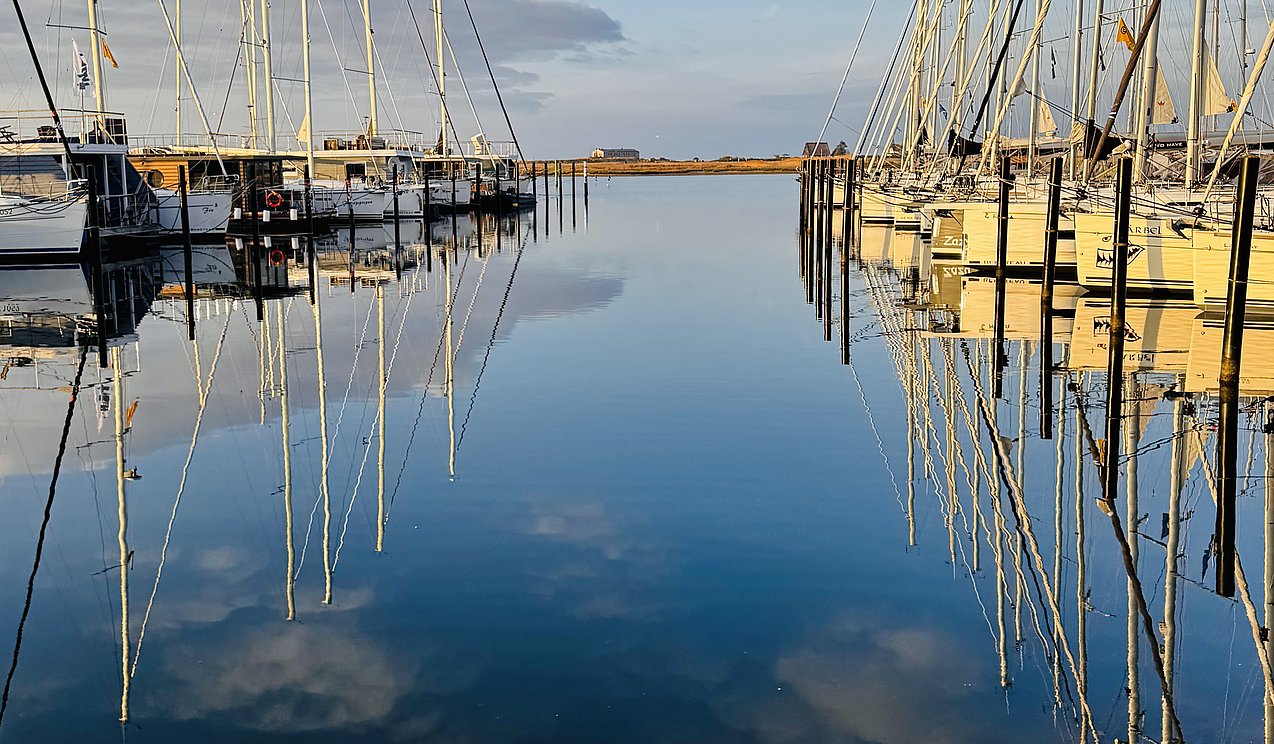
The bay is still. The water calm, the light golden. One of those rare moments when everything is in balance. You want to stay. Watch. Breathe. Hold the moment a little longer.
But in the background, another question runs quietly: Is there enough power?
A system that supports you
You check the displays. Is there enough energy in the batteries – for lights, the fridge, navigation, the systems running onboard? The nearest marina is within reach, maybe an hour back. You could turn around, recharge, reset. Or you stay. Not because you are taking a risk, but because your system is designed to make exactly that possible.
On a smart boat, this situation never becomes a dilemma. A quiet, efficient marine generator takes over in the background. It charges the batteries, stabilises the power supply and keeps all electrical systems onboard running. Without interruption. Without input. The comfort remains. So does the calm.
You stay. And the moment stays with you. That is not a luxury. It is functional independence.
When an energy system truly works
A good energy system goes unnoticed. It works when you no longer have to make constant decisions. When power is simply there – without weighing comfort, usage or time against each other.
As soon as multiple consumers run simultaneously, anchorage time becomes hard to plan or comfort is needed continuously, a purely battery-driven solution reaches practical limits. Not technical ones – but limits in the experience of use.
This is where the generator becomes an integral part of the system. Not as a backup, but as an active element of the energy architecture onboard. It takes over automatically when consumption, charge level or external factors require it. Coordinated with the overall system. Invisible in the background.
Energy thought of as a system
For a long time, maritime energy systems followed an either-or logic. Diesel or electric. Generator or battery. Power or propulsion. Modern yachts work differently. They are integrated energy systems, where propulsion is only part of the whole.
Comfort, safety, connectivity and autonomy are permanent requirements. What matters is not which single component is chosen, but how energy is generated, distributed and used across the system.
Fischer Panda marine generators deliver consistently available power – regardless of how the system architecture is configured. Whether battery, electric drive or additional consumers onboard: energy is available and stable, forming the backbone of the system. Deliberately open in design, flexible in integration, reliable in operation.
True independence does not come from choosing a single technology. It comes from the interaction of generation, storage, distribution and control.
Stay or move on
The generator is not the counterpart to the battery or the electric drive. It is the constant energy source in the background. Reliable, invisible, always ready.
It is not about energy or propulsion alone. It is about being able to enjoy a place for as long as you want. With light, calm and full comfort. Without compromise.
The bay is still. The light still golden. You stay.
Ready to design an energy system that supports your rhythm – not just your route?
Let’s talk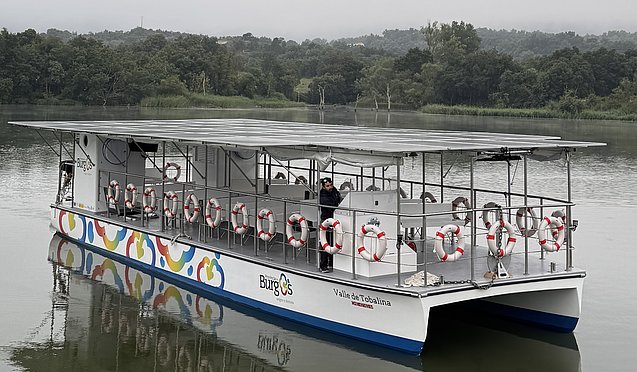
An electric catamaran in Spain shows how emission free tourism works using integrated technology from Fischer Panda.
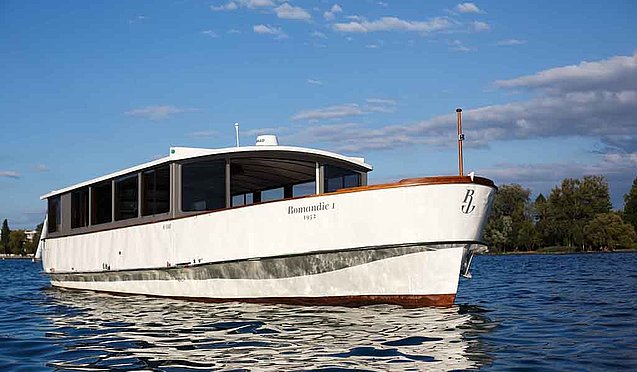
Built in 1952, Romandie I is Switzerland's first electric nostalgic charter ship and now runs quietly with Fischer Panda power.
Understand how to use the AI knowledgebase effectively in your daily service work to reach solutions faster. This training shows how the knowledgebase is structured, how to work with the chatbot and how to provide input that leads to reliable results.
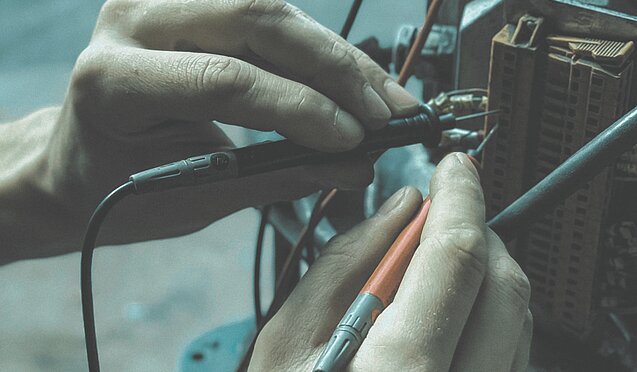
Understand how faults are detected, classified and systematically diagnosed across Fischer Panda generator systems. This training provides a structured approach to troubleshooting without focusing on individual generator models or requiring participants to memorise specific components.