Why Smart Yachts Combine Power and Propulsion
More than just staying
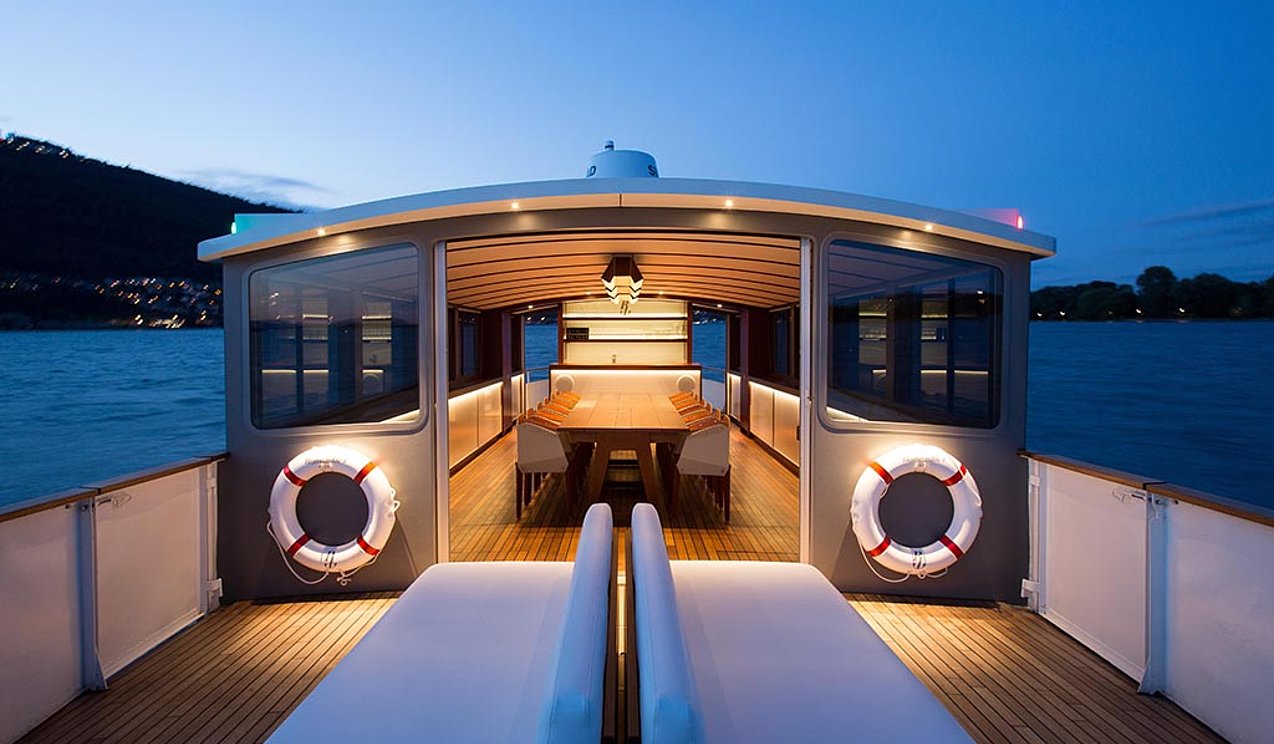
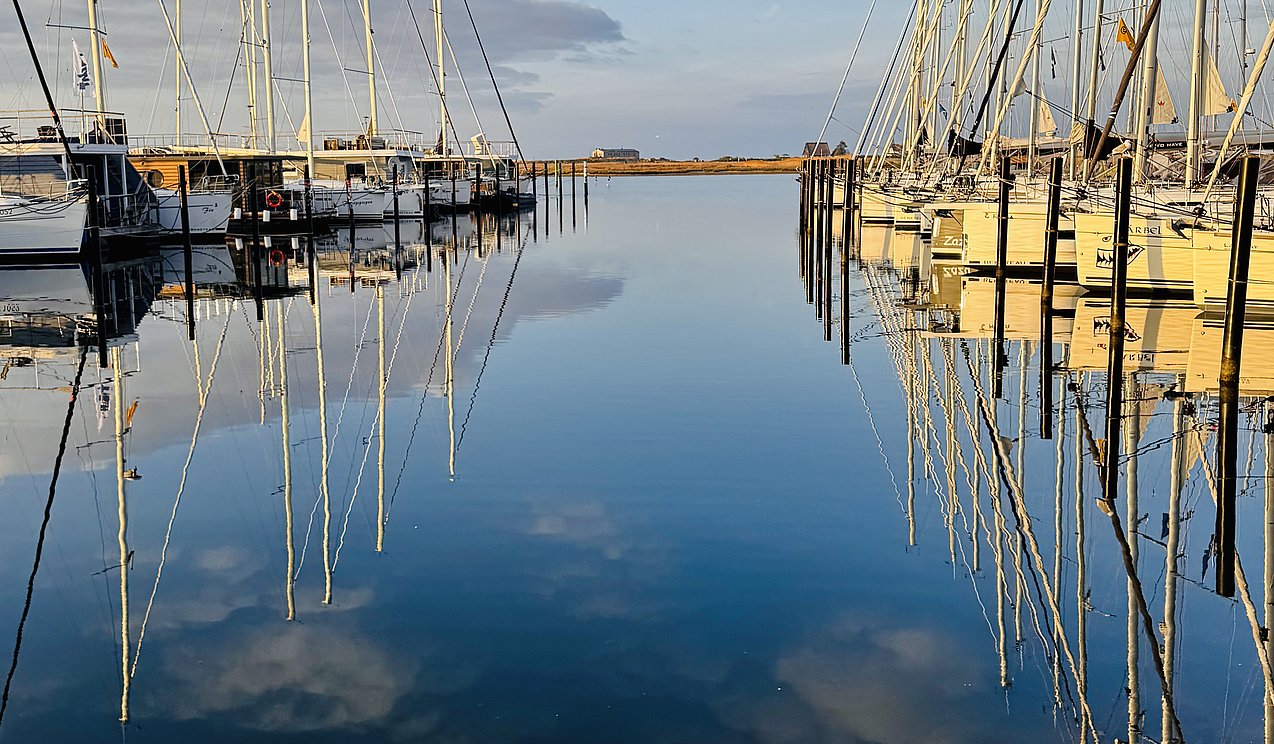
The bay is quiet. The water is calm, the light golden. One of those rare moments when everything feels balanced. You want to stay. Watch. Breathe. Let the moment last a little longer.
But in the background, another question arises: is there still enough power?
A System Designed to Support You
You check the displays. Is there enough energy left in the batteries to supply the lights, the refrigerator, navigation and the electrical systems on board? The next marina is within reach, perhaps an hour back. You could turn around, recharge, reset.
Or you stay. Not because you are taking a risk, but because your system is designed to support exactly this situation.
On a smart yacht, this is no longer a dilemma. A quiet, efficient marine generator onboard takes over in the background. It charges the batteries, stabilizes the power supply and feeds all electrical consumers on board. Without interruption. Without manual intervention. Comfort remains. So does the calm.
You stay. And the moment stays with you.
This is not luxury. It is functional independence.
When an Energy System Truly Works
A good energy system is not defined by individual components, but by how it behaves in everyday use. It works when you do not have to make constant decisions. When power is available without having to trade comfort against range or duration.
As soon as multiple electrical loads operate simultaneously, when comfort is required continuously, or when time at anchor is not predictable, a purely battery-based setup reaches practical limits. Not technically, but in real-life usage.
This is where the generator becomes an integral part of the system. Not as a backup solution, but as an active element of the onboard energy architecture. It steps in whenever load, state of charge or external conditions require it, automatically and fully aligned with the yacht’s integrated energy system.
Energy as an Integrated System
For a long time, marine energy systems followed simple either-or principles: diesel or electric, generator or battery, power or propulsion. Modern yachts operate differently. They are integrated energy systems in which propulsion is only one part of the whole.
Comfort, safety, connectivity and autonomy are expected at all times, in port, at anchor and underway. The key question is therefore not which component is better, but how energy is generated, distributed and used throughout the vessel.
Fischer Panda designs and manufactures generators for marine energy systems. These generators provide a constant and reliable source of power, regardless of how the downstream system architecture is configured. Whether batteries, electric propulsion or other onboard consumers are connected, the energy supply remains stable and forms the backbone of the system.
Based on this foundation, different propulsion concepts can be combined. Fischer Panda electric drives as well as solutions from established premium manufacturers on the market. The generator is deliberately designed independently of propulsion and storage. It operates reliably within open system architectures and integrates seamlessly into both new builds and refit projects.
True independence is not achieved by choosing a single technology. It results from the coordinated interaction of power generation, storage, distribution and control.
Move When You Want to Move. Stay When You Want to Stay.
The generator is not the opposite of batteries or electric propulsion. It is the constant energy source in the background. It ensures that power remains available, regardless of how the onboard energy system is configured in detail.
This is not about power or propulsion alone.
It is about enjoying a place for as long as you want, with light, calm and full comfort. And with the confidence that your yacht’s energy system is built around a stable, reliable source of power.